

Punjab Announces Fuel Restrictions
In a decisive move on March 9, 2026, the Punjab government, led by Chief Minister Maryam Nawaz Sharif, introduced an emergency “War Austerity Plan.” This plan includes the closure of all educational institutions, strict fuel conservation measures, and a mandatory work-from-home policy for non-essential government staff. These steps aim to address the ongoing regional energy crisis triggered by Middle East tensions and the closure of the Strait of Hormuz, which have caused sharp fuel shortages and rising petroleum prices in Pakistan.

Table of Contents
Read Also: OGRA Responds to Rs 73 Petrol Price Increase
| Category | Restriction / Action |
| Schools & Colleges | Closed till 31 March 2026 |
| Online Learning | Encouraged for continuity |
| Work From Home | Mandatory for non-essential staff |
| Fuel Allowance | 50% reduction for government officers |
| Protocol Vehicles | Max 1 allowed, others banned |
| Public Events | Suspended or cancelled |
| Agricultural Fuel | Priority supply for wheat harvesting |
| Monitoring | Digital track-and-trace and district committees |
Shutdown of Schools, Colleges, and Universities
Temporary closures aim to reduce fuel consumption and protect essential services.
- Effective Dates: March 10 – March 31, 2026.
- Online Classes: Schools and colleges encouraged to adopt virtual learning.
- Exams: Scheduled board and university examinations will continue as planned.
- Reopening: Institutions expected to reopen on April 1, 2026, pending situational review.
Work From Home & Office Restrictions
Reduce commuting to save fuel and ensure continuity of essential services.
- Public Sector: Only essential personnel in health, police, and emergency services are required to attend offices.
- Private Sector: Advisory issued for businesses to adopt WFH for non-essential staff.
- Event Ban: Outdoor ceremonies and major events postponed or cancelled.
Strict Fuel Conservation Measures 2026
| Category | Restriction Type | Status |
| Provincial Ministers | Official Fuel Allocation | Suspended |
| Government Officers | Petrol/Diesel Allowance | 50% Reduction |
| Protocol Vehicles | Excess Cars | Banned (Max 1 allowed) |
| Public Transport | Fare Monitoring | Strict Oversight |
| Agricultural Fuel | Wheat Harvesting | Exempt / Prioritized |
Why Are These Measures Taken?
- Oil prices have crossed $120 per barrel.
- Prevents fuel station shortages.
- Ensures essential services like wheat harvesting and ambulances continue uninterrupted.
Monitoring and Enforcement
Oversight ensures compliance and prevents hoarding.
- District Petroleum Monitoring Committees established.
- PITB launching digital track-and-trace for oil tankers.
- Violations are strictly penalized to maintain fuel availability.
Helpline & Contact Information
- Citizens can contact PITB: 042-111-748-748
- Punjab Education Helpline: 042-111-222-666
- Emergency Services (Rescue 1122): 1122
- Official Website for updates: punjab.gov.pk
Conclusion
The Punjab government’s three-week austerity plan prioritizes fuel conservation, public safety, and essential service continuity. Citizens are urged to avoid unnecessary travel, follow WFH guidelines, and support virtual learning to minimize disruptions. These extraordinary measures will help the province navigate the energy crisis effectively while safeguarding vital operations.
Frequently Asked Questions
Why are schools and colleges closed until March 31, 2026?
To reduce fuel consumption and ease the burden on transportation amid the energy crisis.
Who must attend offices physically during the WFH period?
Essential staff in health, police, rescue, and emergency services are required to report.
Are exams postponed due to school closures?
No, all scheduled board and university exams will continue as planned.
How is the fuel supply being monitored in Punjab?
Through District Petroleum Monitoring Committees and a digital track-and-trace system by PITB.

Latest Updates
 Latest Update: BISP Check Balance Online by CNIC 2026 – 8171 Portal Complete Guide
 Breaking: KP Announces Three Weekly Holidays for Educational Institutions in 2026 – New School Schedule Explained
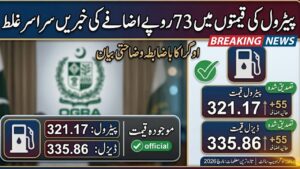 Breaking: OGRA Responds to Rs 73 Petrol Price Increase Rumors in Pakistan – 2026 Official Update
 Breaking: Check Your Application Status Punjab Rozgar Scheme 2026 Loan – Complete Online Guide
 Breaking: BISP NADRA Profile Update 2026 – Complete Guide to Maintain Your 14500 Payment
 Breaking: Check Your Application Status Punjab Green Tractor Scheme 2026 – Full Online Guide for Farmers