
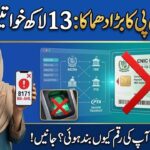
Fraudulent SMS Awareness & Legal Countermeasures
Fraudulent SMS scams—often called smishing—are rising rapidly in Pakistan in 2026. These scams trick people into sharing personal data or sending money by pretending to be government programs like BISP or other public schemes. Many victims lose savings because they trust fake messages that look official. Understanding how to identify fraudulent SMS and knowing the legal steps to report them can protect you and your family. This guide explains how to detect scam messages, report cybercrime, and stay safe online.
Read Also: BISP Sahulat Accounts
| Fraud Alert Category | Key Information |
| Scam Type | Fraudulent SMS (Smishing) |
| Common Targets | BISP beneficiaries and students |
| Official BISP SMS Code | 8171 |
| Official Website | https://bisp.gov.pk |
| Reporting Authority | Pakistan Telecommunication Authority |
| Cybercrime Investigation | National Cyber Crime Investigation Agency |
| Cybercrime Helpline | 1799 |
| Legal Framework | Prevention of Electronic Crimes Act (PECA) |
What Is Fraudulent SMS (Smishing)?
Fraudulent SMS, also known as smishing, is a type of cybercrime where scammers send fake text messages to steal personal information. These messages often pretend to be from government agencies, banks, or telecom companies.
According to information gathered from official government websites and top Google sources, many scammers misuse the names of welfare programs like BISP to gain public trust. They then request sensitive data such as CNIC numbers, bank PINs, or OTP codes.
Warning Signs of a Fake SMS
Recognizing scam messages is the first step in protecting yourself.
• Unknown Sender Numbers:
Most fake messages come from personal mobile numbers instead of official codes.
• Urgent Threats:
Messages claiming your account will be blocked if you do not respond immediately are usually scams.
• Requests for Personal Data:
Scammers often ask for CNIC numbers, ATM PINs, or OTP codes.
• Suspicious Links:
Links that do not end with official domains like .gov.pk should be avoided.
Common Government Programs Used in SMS Scams
Fraudsters frequently misuse well-known government programs to deceive citizens.
• BISP and Kafaalat Programs:
Scammers send fake payment messages pretending to be from 8171.
• Ehsaas Relief Schemes:
Fake SMS promise financial aid or prizes to victims.
• Education Programs:
Students sometimes receive fake notifications about laptop or scholarship schemes.
• Banking Alerts:
Some messages pretend to be from banks asking you to update account details.
Step-by-Step Guide to Report Fraudulent SMS
If you receive a suspicious message, follow these steps immediately.
- Do not reply to the SMS or call the provided number.
- Take a screenshot of the message as evidence.
- Report the number to the Pakistan Telecommunication Authority (PTA).
- Forward the SMS to your telecom operator if reporting services are available.
- File a complaint with the cybercrime investigation authority for further action.
Legal Penalties for SMS Fraud in Pakistan
Pakistan has strict cybercrime laws to punish online fraud.
• Imprisonment for Cyber Fraud:
Offenders may face up to three years in prison for electronic fraud.
• Heavy Financial Penalties:
Courts may impose fines of up to Rs. 10 million depending on the case.
• Identity Theft Charges:
Using stolen personal information can lead to additional criminal penalties.
• Cybercrime Investigations:
Authorities investigate cases under the Prevention of Electronic Crimes Act (PECA).
Safety Checklist for Mobile Users
Following simple safety practices can prevent most SMS scams.
• Never Share OTP or PIN:
Banks and government programs never ask for OTP codes via SMS.
• Verify the Source:
Always check official government websites before responding.
• Ignore Suspicious Links:
Do not click links from unknown senders.
• Educate Family Members:
Older adults and new smartphone users are often targeted by scammers.
Helpline & Contact Information
If you encounter fraudulent SMS or online scams, contact official authorities immediately.
• Pakistan Telecommunication Authority (PTA): 0800-55055
• Cybercrime Helpline: 1799
• PTA Complaint Portal: https://complaint.pta.gov.pk
• Official BISP Website: https://bisp.gov.pk
These official channels help block scam numbers and investigate cybercriminal activity.
Conclusion
Fraudulent SMS scams are becoming more sophisticated in Pakistan, especially with the expansion of digital government services. By learning to identify suspicious messages and reporting them through official channels, citizens can protect themselves and others from financial loss. Always verify information through trusted sources and never share sensitive personal data through SMS. Staying informed and cautious is the best defense against smishing scams in 2026.
FAQs
What is a fraudulent SMS scam?
It is a type of cyber fraud where scammers send fake messages to steal personal information or money.
How can I verify if a message is real?
You should check the sender and confirm information through official websites or helplines.
Where can I report a fake SMS in Pakistan?
You can report it to the PTA helpline or the cybercrime authority through their official complaint portals.
What law punishes SMS fraud in Pakistan?
Cyber fraud cases are handled under the Prevention of Electronic Crimes Act (PECA).
Latest Updates
 Breaking: Ramzan Nigehban Card Registration Online & 8070 SMS Method Explained
 Breaking News: CM Khidmat Card Scheme 2026 Punjab – Eligibility, Benefits & Application Process
 Breaking: BISP 8171 Web Portal 2026 – Check Eligibility & Apply for Rs 14,500 Ehsaas Payment Online
 Breaking News: PMRRP nitb gov pk 9999 Eligibility Complete Guide 2026
 Breaking: Gold Price in Pakistan Today March 16 2026 – Live Rates, Market Trends and Investment Tips
 Breaking News: Petrol Diesel Prices in Pakistan May Rise Before Next Update – New Petrol Price Forecast 2026