
Petrol Diesel Prices in Pakistan May Rise
Fuel prices in Pakistan remain one of the biggest concerns for households and businesses. After the latest increase on March 1, 2026, experts believe another petrol price hike may happen before the next official update. Global oil market volatility and rising crude prices are putting pressure on the government to adjust local rates again. If international trends continue, petrol and diesel prices could see a noticeable jump, affecting inflation, transport costs, and everyday expenses across Pakistan.

Table of Contents
Read Also: Khud Mukhtar Program Apply Online 2026
| Fuel Price Factor | Details |
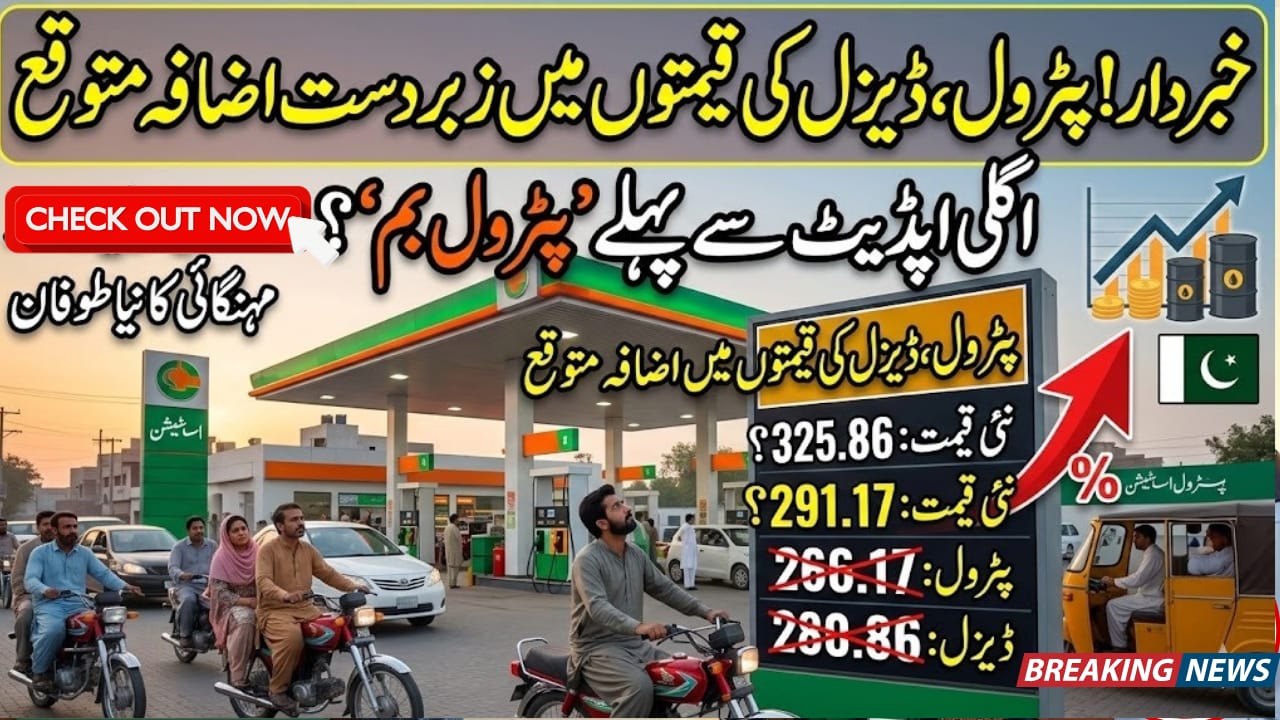
| Current Petrol Price | Rs. 266.17 per litre |
| Current Diesel Price | Rs. 280.86 per litre |
| Expected Petrol Increase | Rs. 20 – Rs. 32 per litre |
| Expected Diesel Increase | Up to Rs. 45 per litre |
| Pricing Cycle | Every 15 days (possible weekly review) |
| Key Authority | Oil and Gas Regulatory Authority (OGRA) |
| Major Influencing Factor | Global crude oil prices |
| Official Information Source | https://www.ogra.org.pk |
Why Petrol and Diesel Prices May Increase Again
Pakistan imports a large portion of its petroleum products. Because of this, local prices depend heavily on international oil markets and currency exchange rates.
- Global Oil Market Volatility: Rising geopolitical tensions in the Middle East are pushing crude oil prices higher.
- Rupee vs Dollar Exchange Rate: A weaker Pakistani rupee increases the cost of imported fuel.
- Freight and Insurance Costs: Transporting crude oil has become more expensive recently.
- Government Taxes and Levies: Petroleum development levy and other taxes also influence final pump prices.
According to information gathered from the official OGRA website and top Google news sources, the next adjustment could bring a double-digit increase if the global trend continues.
Current and Expected Fuel Prices in Pakistan
The latest price notification issued on March 1, 2026 already raised petrol prices significantly. However, analysts predict further increases if Brent crude oil approaches $100 per barrel.
- Petrol Motor Spirit: Current price Rs. 266.17 per litre and expected to reach around Rs. 291.17.
- High Speed Diesel: Current price Rs. 280.86 per litre and may rise close to Rs. 325.86.
- Kerosene Oil: Current price around Rs. 195 with a possible increase of Rs. 10.
- Light Diesel Oil: Current price near Rs. 180 with a smaller expected rise.
These estimates are based on industry projections and ex-refinery calculations.
Possible Weekly Petrol Price Adjustment System
The government is reportedly considering a major change in the fuel pricing system. Instead of adjusting prices every 15 days, authorities may shift to a weekly review mechanism.
- Market Transparency: Frequent updates will align local prices with global trends.
- Reduced Price Shock: Smaller weekly adjustments may prevent sudden large increases.
- Prevent Fuel Hoarding: Petrol station owners will be less likely to store fuel expecting big hikes.
- Better Fiscal Management: The government can manage subsidies and taxes more efficiently.
Such a system is already used in several countries where energy markets change quickly.
Impact of Fuel Price Increase on Daily Life
Fuel price hikes directly affect almost every sector of the economy. Higher diesel prices especially create a chain reaction across multiple industries.
- Transport Costs Increase: Bus, rickshaw, and freight charges usually rise within days.
- Food Prices Go Up: Transporting vegetables, wheat, and fruits becomes more expensive.
- Agriculture Expenses Rise: Diesel-powered tube wells and tractors increase farming costs.
- Construction Materials Become Costly: Cement, steel, and other materials require transportation.
For middle-class families already managing tight budgets, another petrol price increase could make daily life more difficult.
How Citizens Can Stay Updated About Petrol Prices
Fuel price announcements usually come late at night before the new rates take effect. Citizens should check reliable sources instead of relying on rumors.
Follow these steps to stay updated with official fuel price notifications:
- Visit the official OGRA website for price updates.
- Check announcements from the Finance Division of Pakistan.
- Follow trusted national news websites and government social media pages.
- Watch late-night news updates when the government usually releases new rates.
These sources provide verified information and prevent confusion about petrol price changes.
Helpline and Contact Information
If citizens need official confirmation or information about fuel pricing policies, they can contact the relevant authorities.
Oil and Gas Regulatory Authority (OGRA)
Helpline: 051-9209288
Website: https://www.ogra.org.pk
Email: info@ogra.org.pk
The Finance Division of Pakistan also publishes official fuel price notifications on its website and social media platforms.
Conclusion
Petrol and diesel prices in Pakistan remain closely linked to international oil markets. With crude oil prices rising and geopolitical tensions affecting supply routes, another price increase before the next official update seems possible. Experts believe petrol may rise by Rs. 20 to Rs. 32 per litre, while diesel could increase even more.
Citizens should keep an eye on official announcements from OGRA and the Finance Division. Staying informed helps people prepare for changes that can impact transportation, food prices, and overall living costs.
Frequently Asked Questions
What is the current petrol price in Pakistan 2026?
The latest petrol price announced on March 1, 2026 is Rs. 266.17 per litre.
Why are petrol prices increasing in Pakistan?
The main reasons include rising global crude oil prices, rupee depreciation, and higher freight costs.
When does the government announce new petrol prices?
The government usually announces updated fuel prices every 15 days at midnight.
Which authority regulates fuel prices in Pakistan?
The Oil and Gas Regulatory Authority OGRA monitors and recommends fuel price adjustments to the government.
Latest Updates
 Breaking: 8171 Fresh March Update 2026 – Check Rs.13,500 Payment via BISP Portal
 Breaking: BISP 8171 Eid Payment 14500 Start Today – Check Online & Latest Update 2026
 Breaking: NADRA CNIC Smart Card Check New Features March 2026 – Complete Step-by-Step Guide
 Breaking News: Livestock Card Third Installment 2026 Released – Check Eligibility & Payment Method Now
 Breaking: BOP Announced ATM Cardfor BISP 2026 Payment (Step-by-Step Guide)
 Breaking: Punjab Mazdoor Card 2026 – Online Registration, Benefits, Eligibility & Latest Updates for Workers