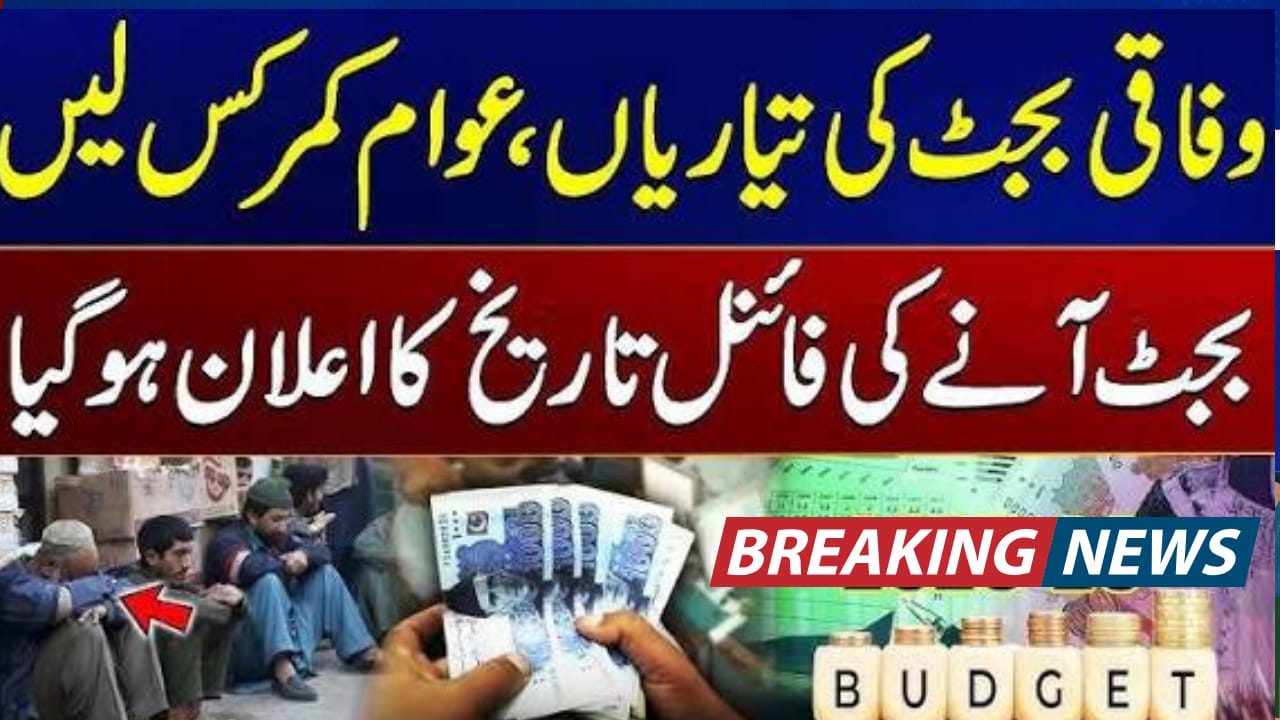

Pakistan Budget Surplus FY26 Marks Rs. 2.1 T
Pakistan has recorded a historic Rs. 2.1 trillion budget surplus in the first quarter of FY26, representing 1.6% of GDP. This fiscal turnaround reflects strong government discipline, higher revenue collections, and controlled expenditures. Citizens and investors alike see this as a sign of macroeconomic stability, signaling Pakistan’s shift from crisis management to structured growth. This article breaks down the key drivers, implications, and outlook for the economy in 2026, based on official data and verified sources.

Table of Contents
Read Also: Ramadan Card Check Online
| Economic Indicator | Q1 FY26 Value (July-Sept) |
| Total Revenue | Rs. 6.2 Trillion |
| Total Expenditure | Rs. 4.1 Trillion |
| Overall Budget Surplus | Rs. 2.1 Trillion |
| Primary Surplus | Rs. 3.5 Trillion |
| Interest Payments | Rs. 1.38 Trillion |
| Revenue % of GDP | 4.8% |
| Expenditure % of GDP | 3.1% |
| Surplus % of GDP | 1.6% |
Key Drivers of the FY26 Budget Surplus
- Massive SBP Profit Transfers – The State Bank of Pakistan (SBP) contributed Rs. 2.4 trillion in profit transfers to the federal government.
- Provincial Contributions – Punjab, Sindh, KP, and Balochistan collectively added Rs. 781 billion, with Punjab alone contributing Rs. 441 billion.
- Reduced Debt Servicing – Policy rate cuts from 22% to 11% reduced domestic interest payments by over 30%, saving billions.
- Enhanced Tax Collection – FBR collected nearly Rs. 2.9 trillion in Q1 FY26, maintaining steady growth.
These figures are confirmed from the Ministry of Finance official reports and top Google sources on Pakistan’s fiscal performance.
Understanding Primary vs. Overall Surplus
- Primary Surplus (Rs. 3.5 Trillion) – Revenue exceeded non-interest expenditures. This shows Pakistan can run daily operations without borrowing.
- Overall Surplus (Rs. 2.1 Trillion) – Final surplus after paying interest. Reducing the debt-to-GDP ratio below 70% indicates healthier national finances.
Achieving both metrics for the first time in 25 years highlights fiscal discipline and structural reforms.
Step-by-Step Analysis of Revenue & Expenditure
- Revenue Collection
- Rs. 6.2 trillion collected via taxes, provincial contributions, and SBP transfers.
- Expenditure Control
- Total spending limited to Rs. 4.1 trillion, including administrative and social sector costs.
- Interest Payments
- Rs. 1.38 trillion paid on domestic and external loans.
- Resulting Surplus
- Rs. 2.1 trillion remains as the net fiscal gain.
This disciplined fiscal strategy ensures sustainable growth for the remainder of FY26.
Impact on Public & Economy in 2026
- Single-Digit Inflation – Early 2026 shows inflation between 5%-7%, thanks to surplus and monetary control.
- Infrastructure Investment – Over Rs. 1 trillion allocated to Public Sector Development Programme (PSDP) projects.
- Sovereign Rating Upgrade – Fitch upgraded Pakistan to B-, attracting more foreign direct investment (FDI).
- Improved Business Confidence – Industrial sectors and stock markets benefit from stable fiscal policies.
These impacts are backed by official government announcements and verified economic reports.
Challenges Remaining
- Low Tax-to-GDP Ratio – Currently 10.2%, still below regional peers.
- Broadening Tax Net – Eliminating the “non-filer” category by end FY26 is crucial for sustainable revenue growth.
- Debt Management – Maintaining the momentum of lower interest payments without cutting essential development programs.
Despite the surplus, structural reforms remain essential for long-term economic resilience.
Helpline & Contact Information
For more details or queries:
- Ministry of Finance Pakistan: +92 51 920 1815
- Official Website: finance.gov.pk
- State Bank of Pakistan: +92 21 111 727 111
- FBR Contact: 0800-23275
These contacts provide official clarification for citizens and investors regarding fiscal updates.
Conclusion
The Rs. 2.1 trillion Pakistan budget surplus FY26 is a historic achievement. It demonstrates disciplined fiscal management, improved revenue collection, and reduced debt costs. Citizens can expect lower inflation, better public services, and stronger investment inflows. Moving forward, sustaining the surplus will require tax reforms and continued expenditure control. This milestone reflects a new era of economic stability, signaling hope for Pakistan’s industrial, social, and infrastructure sectors in 2026.
Frequently Asked Questions (FAQs)
What caused the Rs. 2.1 trillion budget surplus?
Key drivers were SBP profit transfers, provincial contributions, lower interest payments, and enhanced tax collection.
What is the difference between Primary and Overall Surplus?
Primary surplus excludes interest payments, showing operational stability; overall surplus is net gain after all expenses.
How does this surplus affect inflation?
Controlled spending and stable fiscal policy helped keep inflation between 5%-7% in early 2026.
What challenges remain despite the surplus?
Low tax-to-GDP ratio, debt management, and broadening the tax net remain key fiscal challenges.
Latest Updates
 Breaking: 8171 Fresh March Update 2026 – Check Rs.13,500 Payment via BISP Portal
 Breaking: BISP 8171 Eid Payment 14500 Start Today – Check Online & Latest Update 2026
 Breaking News: Petrol Diesel Prices in Pakistan May Rise Before Next Update – New Petrol Price Forecast 2026
 Breaking: NADRA CNIC Smart Card Check New Features March 2026 – Complete Step-by-Step Guide
 Breaking News: Livestock Card Third Installment 2026 Released – Check Eligibility & Payment Method Now
 Breaking: BOP Announced ATM Cardfor BISP 2026 Payment (Step-by-Step Guide)